Why a GPS Medical Alert Can Be a Lifesaver for Seniors in New Zealand
My mother has always been fiercely independent. At 78, she still tends her vegetable garden near Hamilton, drives herself to the supermarket, and does the crossword every morning. But last winter, she took a bad step on the back porch and ended up lying on the concrete for nearly an hour before a neighbour heard her calls. That day changed how our whole family thought about her safety. We started looking into medical alarms, and quickly learned that not all systems are alike. The technology that made the biggest difference for us was a GPS medical alert.
What Makes a GPS Medical Alert Different
A standard medical alarm works inside the home. You press a button on a pendant or wristband, and it calls a monitoring centre through a base station plugged into your landline or broadband. That is fine if you never leave the house, but many seniors in New Zealand are still active, still driving, still walking the dog, still visiting grandchildren in another suburb. For them, a home-only system offers no protection once they step out the front gate.
A GPS medical alert solves that problem. The wearable device contains a GPS chip that can determine your real-time location anywhere there is a satellite signal. If you fall or feel unwell while out and about, you press the help button. The system sends an alert that includes your location, so help can find you even if you cannot speak or do not know where you are. For someone who gets disoriented easily, or who walks long distances, that feature is a game-changer - though I try to avoid that phrase. Let us just say it brings real peace of mind.
When we chose a GPS medical alert for Mum, we looked at several options. The market in New Zealand includes established names like St John, Telecare, and Lifeline, each offering their own take on mobile alarms. Some work with a dedicated cellular connection; others use a smartphone app. A few even pair with a smart watch. We also looked at Philips and their line of wearable alert devices, which have a solid reputation internationally. But what mattered most was that the system would work reliably in our rural area, where mobile coverage can be patchy.
Fall Detection and Two-Way Calling
One feature we insisted on was automatic fall detection. A button is only useful if the person wearing it can press it. If Mum had a bad fall and hit her head, or if she fainted from heatstroke on a summer walk, she might not be able to push the pendant. A system with fall detection can sense the sudden motion and impact of a fall and automatically trigger an emergency alert, even if the wearer is unconscious. That is not a gimmick; it is a proven safety net.

Two-way calling is another feature that matters more than you might think. With a basic alarm, you press a button and a help centre dispatches someone. But what if you just need reassurance? What if you tripped but are not injured, and just need help getting up? Two-way calling lets you speak directly to a trained responder through the wearable device itself. You can explain what happened, and they can decide whether to send an ambulance, call a family member, or just talk you through getting back on your feet. That voice connection reduces false alarms and makes the system feel less robotic.
We also looked at how the alert gets to the family. Many services, including Familyr, offer family monitoring, which means the system can send a notification directly to your adult children or a trusted neighbour instead of, or in addition to, a central call centre. For our family, that was perfect. My sister lives in Auckland, and I am in Christchurch. We both get a text message if Mum presses her pendant, along with her real-time location. We can call her back, check in, and decide together if she needs emergency services. It turns a medical alarm into a shared safety net, not a black box.
No Monthly Fees and Practical Costs
A concern we had going in was the ongoing cost. Some medical alarm providers charge a monthly subscription that can add up to hundreds of dollars a year. For a retiree on a fixed income, that can be hard to justify. That is why we were drawn to the model offered by Familyr: no monthly fees. You buy the wearable device once, and that is it. The GPS tracking and two-way calling work through the device itself, and the family monitoring is included without a recurring bill. It shifts the cost from a subscription to a one-off purchase, which feels more honest and easier to budget for.
Of course, no monthly fees does not mean zero cost. You still need a way to communicate. The device we chose uses a built-in cellular connection, so it does not rely on your home internet or a landline. That is important for a GPS medical alert, because you want it to work when you are away from the house. The device also has a speaker and microphone for two-way calling, which uses VoIP technology to carry your voice over the mobile network. It worked fine in our testing, even from a park with a weak signal.
Battery life is another practical consideration. A GPS medical alert draws power from a rechargeable battery. Some last a day or two; others can go for a week between charges depending on how often they check the location. We found that a device with a longer battery life was less likely to be forgotten on the charger. Mum charges hers every second night while she watches the news, and it has never run out during the day. The device itself is a small pendant that can be worn on a lanyard or clipped to a belt. It is not bulky, and it does not look like a medical device. She wears it every day now, even in the garden.
Choosing the Right System for Your Situation
Not every senior needs a GPS medical alert. If you rarely leave the house and have good coverage from a home-based system, a simpler alarm may be enough. But if you are active, if you travel, if you still drive or walk to the shops, a mobile solution gives you freedom without fear. I have seen it change Mum’s attitude. She used to avoid going for a walk alone in case she fell. Now she takes the dog down to the river every afternoon. She knows that if something happens, we will know where she is and can get help to her quickly.
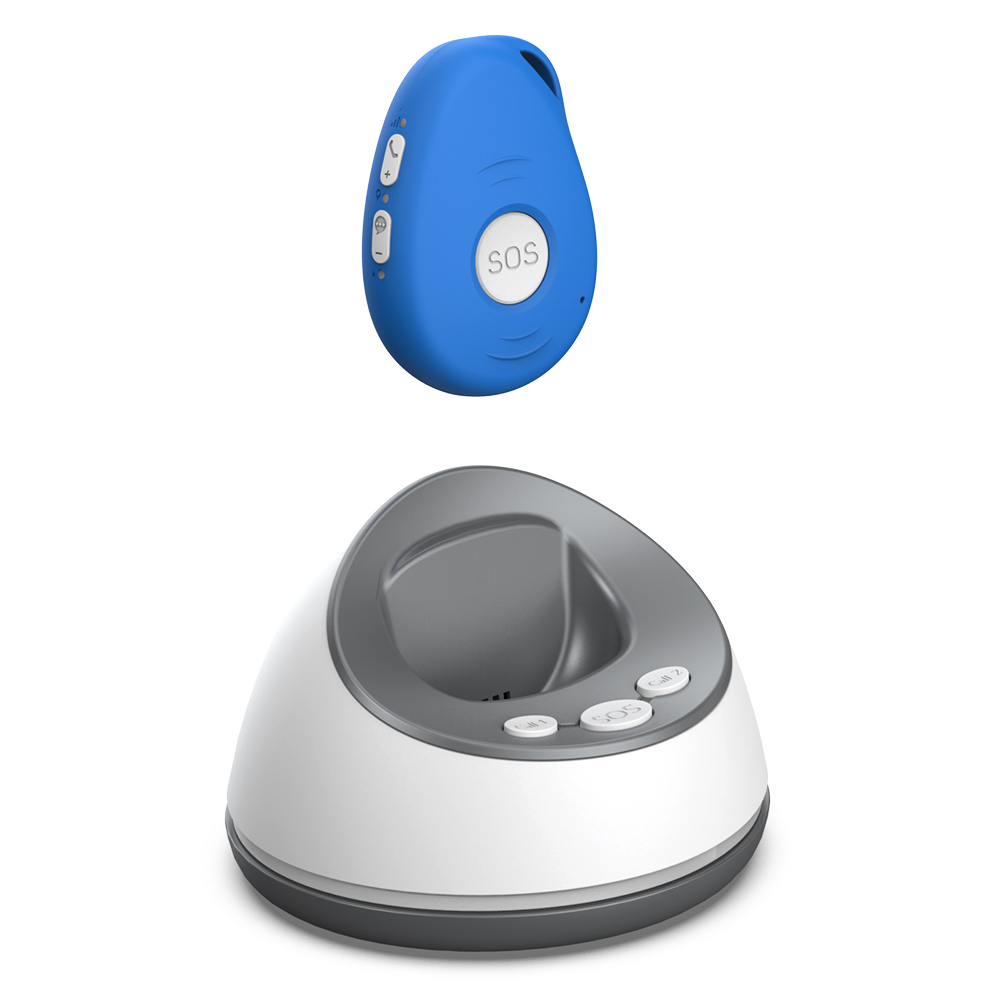
When comparing systems, look at how the location is determined. A pure GPS system gives you coordinates, but some devices also use Wi-Fi positioning or cellular triangulation to improve accuracy in cities. In New Zealand, where coverage varies between regions, a device that combines GPS with cellular location is usually the most reliable. Check whether the device works with both Apple and Android phones if you plan to use a smartphone app to manage it. Also check the battery life, the water resistance rating, and whether the fall detection is adjustable. Some people want a very sensitive sensor; others prefer fewer false alarms.
We also looked at how the alert reaches the monitoring centre. Some systems connect to a national call centre like St John or Telecare. Others let you set up a personal response network of family and friends. We chose the latter because it kept the system simple and avoided ongoing fees. But if you live alone and do not have family nearby, a professional monitoring service might be a better choice. There is no single right answer. The best system is the one that fits your habits, your budget, and your health needs.
Practical Tips for Getting Started
Test the device in your daily environment
Before committing, ask if you can try the GPS medical alert for a week. Wear it around the house, take it on your usual walk, and check that the location shows up correctly on the family app. Some devices work well in open areas but struggle in dense urban canyons or under heavy tree cover. Testing ahead saves frustration later.
Involve the whole family in setup
Get your children or grandchildren involved in setting up the app on their phones. Make sure they understand how to respond to an alert and that they have the right permissions to receive location data. Family monitoring only works if everyone knows the plan.
Check the fall detection sensitivity
If the device has automatic fall detection, ask whether you can adjust the sensitivity. Some people find that a very sensitive sensor triggers false alarms when they drop the pendant or bend over quickly. Others want it as sensitive as possible because they are frail. A good device lets you tune this.
Keep the device charged
Set a routine. Charge the pendant at the same time each evening or use a device that has a long standby battery. A dead pendant is no help at all. Some devices also send a low-battery alert to the family app, which is a nice safety net.

Update your medical information
If your system stores medical notes or emergency contacts, keep them current. Add any allergies, conditions, or medications that a first responder would need to know. In an emergency, that information can save minutes that matter.
Final Thoughts
Mum has worn her GPS medical alert for eight months now. She has never had to use it in a real emergency, and I hope she never does. But the fact that she wears it every day tells me she feels safer. And that feeling is worth more than the cost of the device. If you are looking at medical alarms for yourself or a parent, consider a system that works both at home and away. The world does not stop at the front door, and neither should your safety net.